

GLP-1 medications entered the market as a treatment for type 2 diabetes, and their approval for weight management has since pushed their use well beyond the original patient group. Around one in ten Australian adults now use a GLP-1 medicine, with adoption projected to reach between 17 and 30 per cent of the adult population within the next decade. That scale of uptake is no longer a clinical footnote. It represents a change in appetite and eating behaviour large enough for foodservice operators to consider how demand may shift at the table.
One of the clearest effects is likely to be seen in the amount and type of food ordered. Guests using GLP-1 medications commonly experience reduced appetite, which can translate into smaller portions, fewer additional items and greater interest in dishes that deliver more nutritional value within a smaller serve.
Some guests are visiting with the same regularity but ordering with more restraint, choosing a main on its own rather than a main, side and dessert together. Others are spacing visits further apart, adding another layer to the change in dining behaviour. Neither change is necessarily obvious from cover numbers alone, because a venue can remain busy while the value and composition of each order shifts underneath the headline traffic figure.
Share plates and group-style ordering may be among the first areas where that change becomes visible. When the same party size orders fewer shared dishes, sides or follow-up plates, the number of covers can remain unchanged while revenue per booking falls. At the same time, richer dishes may face greater competition from lighter options that provide a stronger balance of protein, vegetables and portion control.
That does not mean indulgent menu favourites suddenly lose their place. The more practical response is to make sure smaller-format and protein-forward choices are given comparable visibility on the menu.
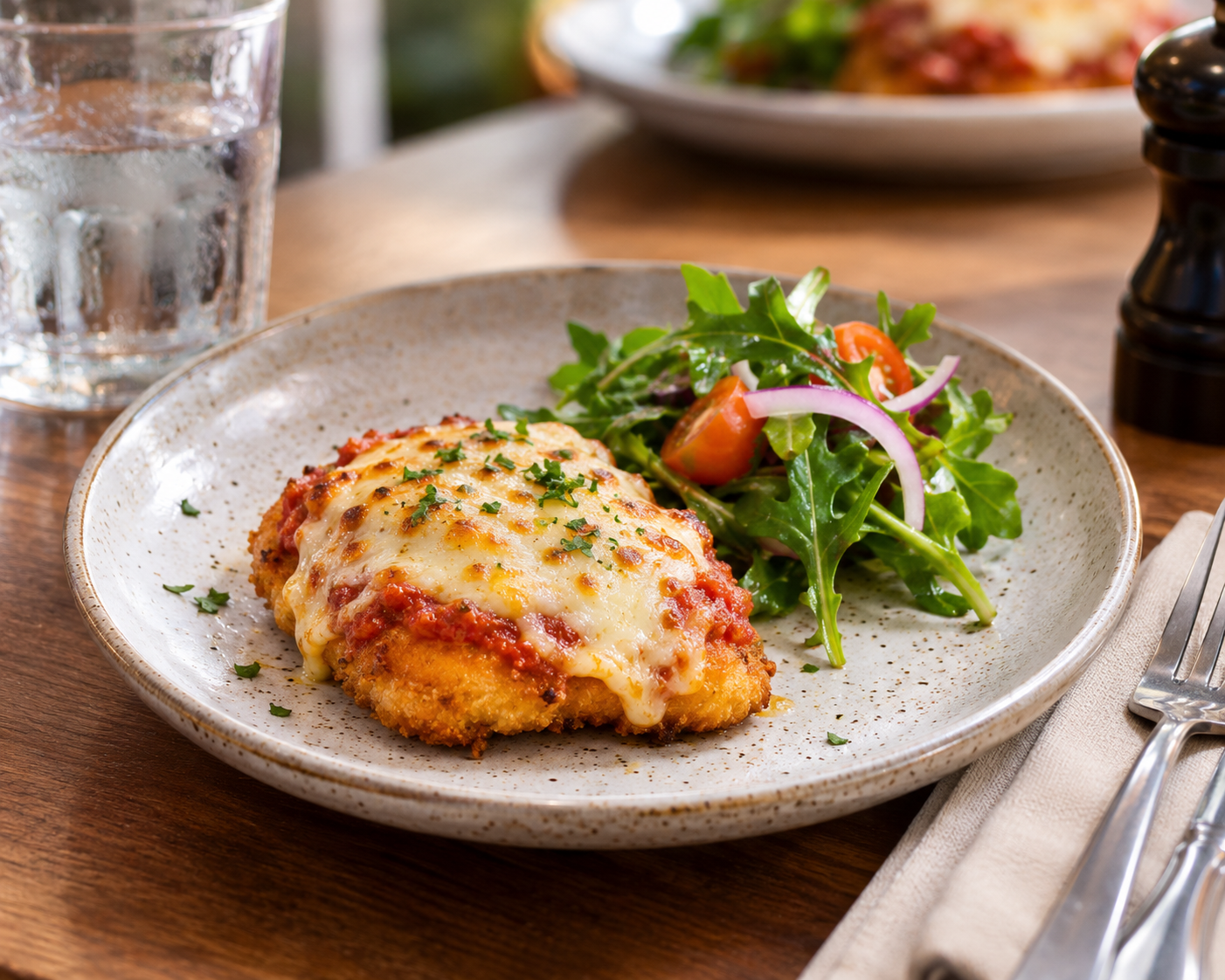
None of this changes what a plate needs to deliver. A smaller portion still has to feel deliberate and worth ordering, rather than simply looking like less food for the same occasion. Portion balance and the ratio of protein, vegetables and sides carry more weight when there is less food in front of the guest. As portions contract, each component of the plate has to contribute more clearly to flavour, texture, nutrition and perceived value.
The commercial implications extend beyond portion size because several operating metrics can move at the same time. Average spend per cover may soften even when seat occupancy remains strong, while changes in share-style ordering can alter the performance of entire menu categories without significantly changing booking numbers. Kitchens may also need to revisit prep volumes and batch sizes where dishes that once sold in predictable quantities begin moving differently.
That makes spend per cover, order composition and menu mix more useful indicators than cover count alone when assessing changes in dining behaviour. A fully occupied table can still generate less revenue if guests order fewer items, even when the number of diners remains unchanged. Tracking these patterns can help operators distinguish a temporary shift in individual dishes from a broader change in how guests structure their orders.
Protein becomes more important as portion sizes decrease, and Australian consumers were moving in that direction before GLP-1 use accelerated it further. Mintel data show protein prioritisation among Australian consumers rising from 17 per cent to 29 per cent between 2021 and 2025, suggesting that GLP-1 adoption is intersecting with an established shift rather than creating the protein trend on its own. For kitchens, that means the focus should be on what smaller portions contain, not just how much food is removed from the plate. The opportunity is not simply to add more protein, but to build dishes where a smaller quantity of food can still deliver substance, flavour and a clear sense of value.
Protein requirements vary between kitchens, so delivering the right balance depends on both menu design and ingredient selection. Depending on the dish and portion specification, cheese can contribute protein, flavour and functional value while keeping the overall portion relatively compact. That can make dairy particularly useful where kitchens are trying to create smaller-format dishes that still feel complete and commercially viable.
For multi-site and higher-volume operators, a dairy manufacturer and supplier that understands foodservice specification, portion consistency and volume requirements can also help ensure those menu changes remain repeatable across service periods and locations.
The scale of GLP-1 adoption means smaller appetites and changing order patterns can no longer be treated as a niche consideration for Australian foodservice. Menu design, pricing and ingredient sourcing all need to move together as ordering patterns evolve, because reducing portion size alone does not address the commercial effect on spend, menu mix or perceived value. Operators that understand where demand is moving will be in a stronger position to adapt without abandoning the menu occasions and dishes that still matter to the wider guest base.
Does your current menu still reflect how guests are ordering today, or are stable cover numbers hiding a decline in what each table spends?