


GLP-1 medications have moved from a diabetes treatment to wider use in weight management across Australia, and that uptake is starting to influence what some guests expect from a restaurant portion: they simply want less food than traditional portions. For commercial kitchens, the challenge isn’t simply reducing portion sizes, but redesigning the dishes altogether. Reducing the quantity on the plate without reconsidering composition, presentation and pricing can leave a dish feeling diminished rather than deliberately portioned.
Most established menus are built around conventional serving sizes and appetites. Portion specifications, plate sizes, side ratios and pricing often assume that a guest wants a conventional full serve, while kitchen prep systems are designed around those same quantities. When appetite changes, simply scaling every component down evenly does not necessarily produce a smaller version of the same dish. It can change the plate’s balance altogether.
A well-designed smaller portion therefore needs its own specification rather than being treated as a reduced version of the existing serve. If the protein portion is reduced, the ratio of vegetables, sauce or garnish may also need to change to keep the dish balanced. For smaller pasta or baked dishes, flavour may need to come from more concentrated ingredients or finishes so the dish still feels complete. Even plateware should be reconsidered, as serving a deliberately smaller portion on a plate designed for a much larger meal can make the dish look undersized rather than intentional.
A smaller portion still needs to feel worth ordering, and quantity is only one part of that judgement. Composition, flavour intensity and visual appeal carry more weight when there is less food on the plate. The kitchen then has to decide which ingredients deserve to remain, which can be reduced and which need to contribute more to flavour, texture or presentation.
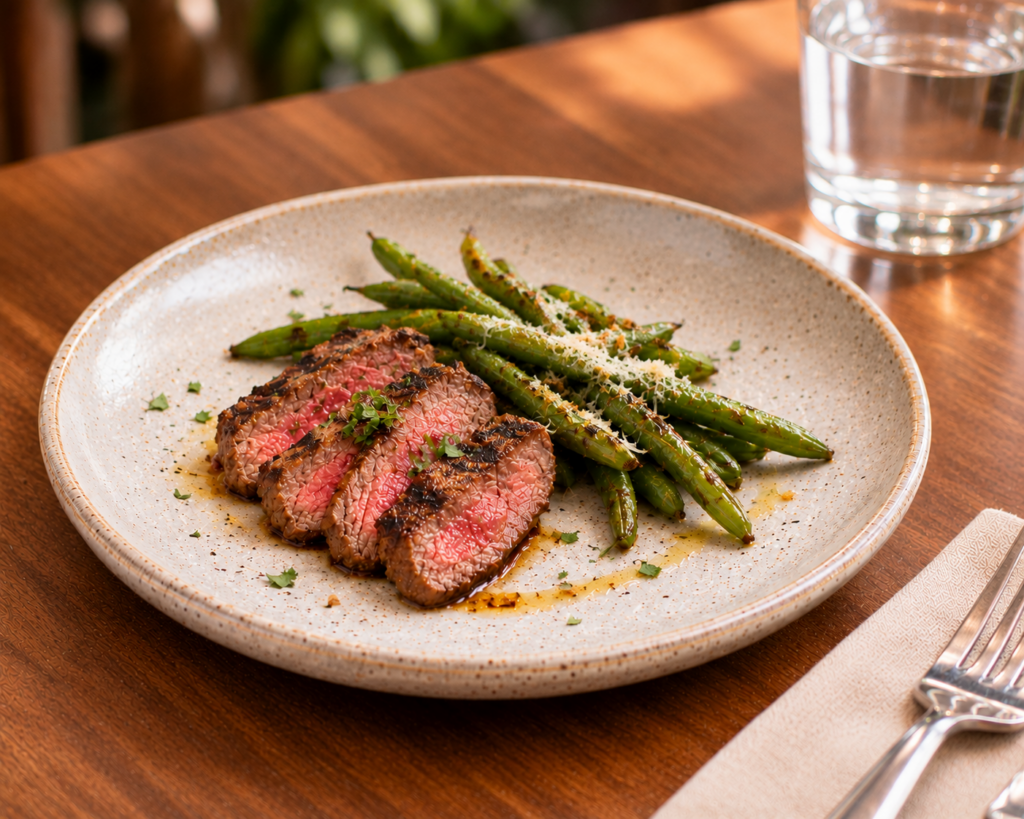
Smaller portions put more pressure on the choice and quantity of protein used. However, that does not mean every smaller dish needs to become a high-protein menu item. The protein component should feel proportionate to the size and purpose of the dish. For kitchens, that can mean using ingredients with greater impact per serve rather than trying to preserve the appearance of the original portion.
Changing the portion specification also changes the economics of the dish. Reducing portion weight may lower ingredient cost, but those savings can disappear if the revised dish requires more expensive components, additional garnishes or more labour-intensive assembly to maintain its appeal. Kitchens need to recalculate cost per serve again rather than assuming a smaller plate automatically creates a better margin. Pricing has to reflect the new specification and the value of the finished dish, not simply the fact that fewer grams are being served.
Cheese is a versatile ingredient that works well in this kind of portion redesign because different formats can deliver different results within a controlled portion. A slice, a melting cheese and a finishing cheese each contribute differently to flavour, coverage, texture and presentation.
A natural cheese slice, for example, gives a kitchen a fixed portion that can be repeated across burgers, toasted sandwiches or smaller hot dishes without relying on staff to estimate quantity during service. Mozzarella suits baked and grilled applications, where melt, coverage and texture can help a smaller-format dish still look complete. Shaved Parmesan can add concentrated flavour and a noticeable finish across salads, vegetables or pasta dishes without requiring a large portion. The format should ultimately be chosen for the job it needs to perform within the revised dish.
Once a smaller portion is set, ingredient consistency becomes particularly important because even small inconsistencies become more noticeable in tighter portions. For instance, if slice weight, melt performance or overall quality of cheese changes from one batch to the next, the dish may no longer perform or present as intended. For multi-site operators, working with reputable dairy suppliers that can maintain the same specification across batches and locations helps keep portion control, costing and execution aligned with the menu.
Growing GLP-1 use gives restaurants another reason to reconsider whether one conventional portion size still suits every dining occasion. Smaller serves should be treated as menu items in their own right, with their own composition, costing and presentation standards. Designed with those factors in mind, they allow kitchens to respond to changing appetites without feeling like a compromise on value.
If smaller portions are becoming part of your menu, have they been redesigned, or are they simply reduced versions of existing dishes?